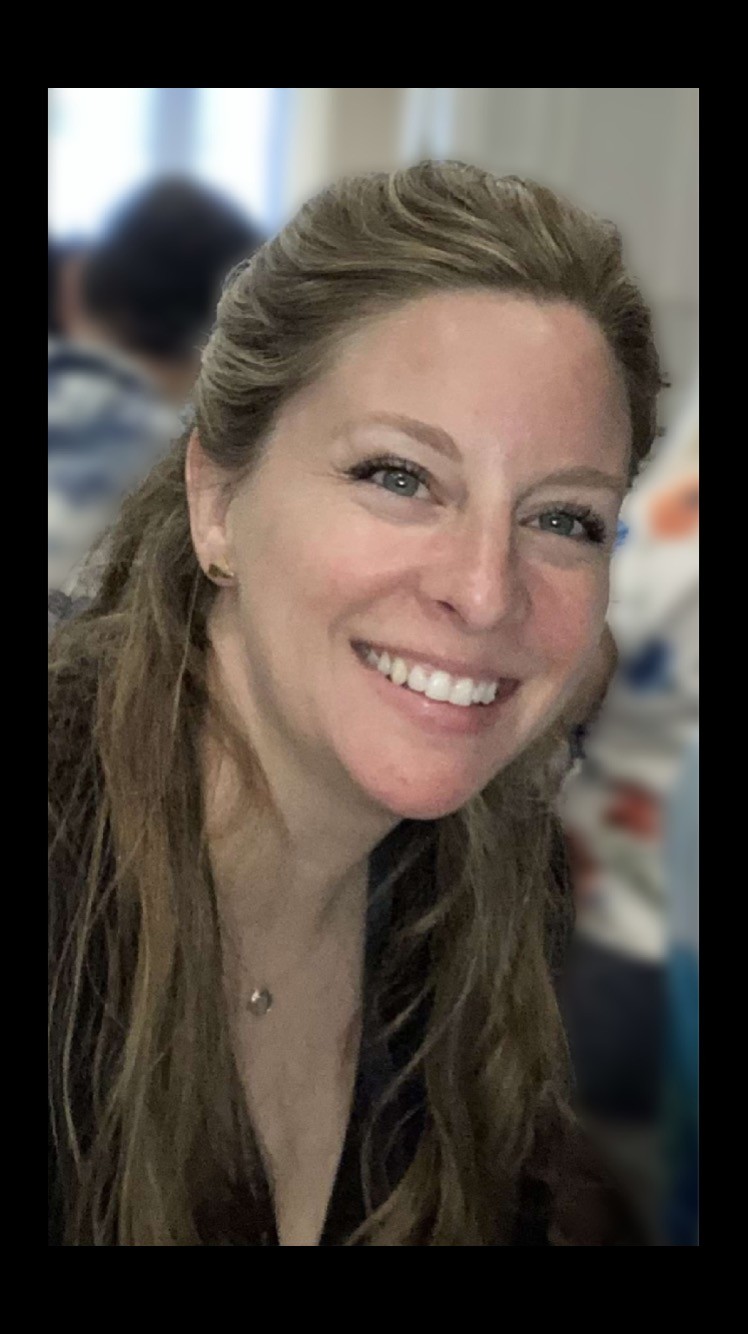
Learn from the experience of a real shark scientist in Maryland! Dr. Beth Bowers tracks sharks that travel right off the the coast of our Maryland seashore. She is currently working to discover changing patterns of shark movement due to offshore wind energy, warming ocean temperatures, and species-specific characteristics. Get insights into her scientific methods, and find out cool stuff about sharks. For example, did you know that some sharks travel in all-male or all-female packs? Whether you’re a shark lover or just nature-curious, don’t miss this talk at the end of our Sharkfest Nature Connections event!
More about Dr. Bowers and her talk…
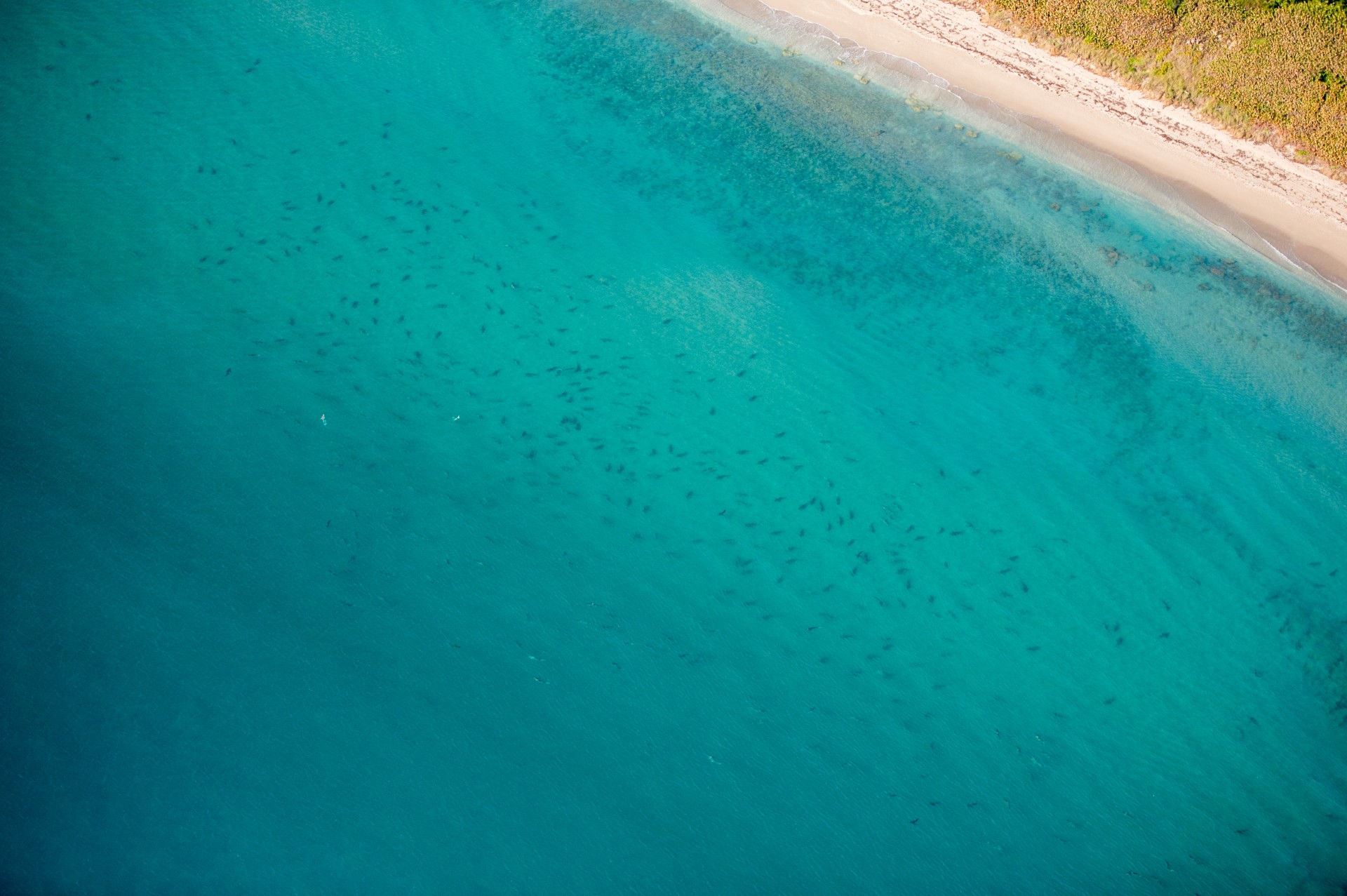
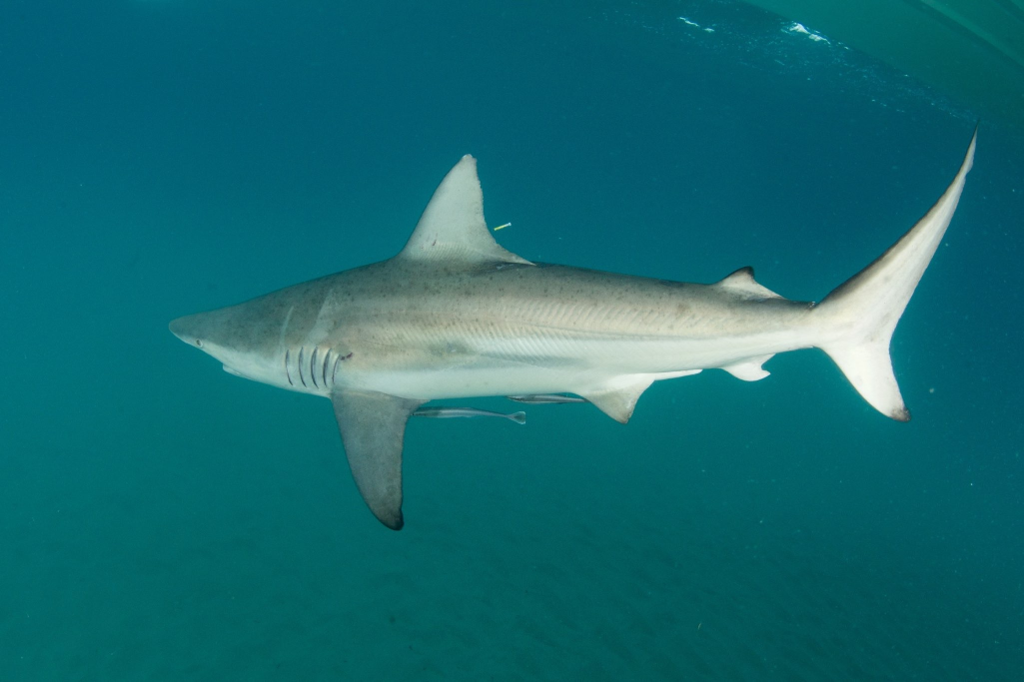
When you think of a shark, you might automatically picture a blacktip shark since they are your classic shark species. However, the spinner shark looks almost identical to blacktip sharks and leaps and spins out of the water just like blacktip sharks do. In fact, many shark species look so similar to the blacktip shark that some fishermen struggle to tell them apart. This misidentification has led to confusion about where certain species are at different times of the year. In the mid-1900s, it was thought that blacktip sharks only migrated north of Cape Hatteras, NC as a rare stray. However, we found that blacktip sharks migrated 50% farther, traveling from Palm Beach, FL to Long Island, NY. We must document accurate baseline shark distributions before warming oceans causes them to change. There is already some evidence that blacktip shark migrations may have shifted because of global climate change. Now, we are tagging blacktip and spinner sharks to understand the differences between their migratory patterns and what environmental cues drive their movements throughout the year, and how this information can be used to improve fishery management and conservation efforts.
Bio: Dr. Beth Bowers earned a PhD from Florida Atlantic University where she investigated the migrations, environmental drivers of movement, and the differences between male and female movements in blacktip sharks, Carcharhinus limbatus, using a tracking technology known as acoustic telemetry. Currently, she is a Research Ecologist at the Smithsonian Environmental Research Center where she is recommending standards for acoustic telemetry data that are collected to measure offshore energy impact, developing a plan for the most efficient way to collect acoustic telemetry data to track key marine species across the U.S. Atlantic Continental Shelf, collating data for biodiversity metrics, and of course, tracking sharks. Her current shark projects contribute to multiple student projects, biodiversity metrics, and will inform fisheries management.
Location