
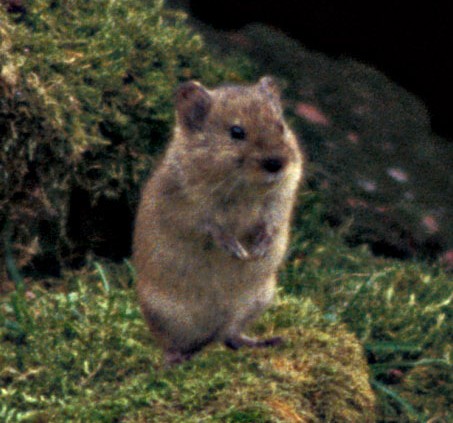
Arctic tundra ecosystems rely heavily on small mammals such as lemmings, voles, and shrew. These species undergo boom‑and‑bust population cycles, which shape vegetation, nutrient flow, and the entire food web. Curator of Mammalogy, Steve Sheffield, will introduce these foundational animals and highlight how their predators, from foxes to raptors, must navigate not only dramatic 3- to 4‑year prey cycles but also the rapidly intensifying impacts of climate change, which is occurring about four times faster in the Arctic than the global average. Attendees will gain a clear understanding of how these small mammals drive ecosystems and why their fluctuations ripple across the tundra landscape.
In addition to his work at Bowie State and MMNS, Steve Sheffield holds Research Associate positions with the Carnegie Museum of Natural History and theSmithsonian National Museum of Natural History. Originally from upstate New York, Steve earned degrees from SUNY-Oswego (BA, Zoology), Appalachian Environmental Laboratory (Univ. of Maryland; MS, Wildlife Ecology), and Oklahoma State University (Ph.D., Zoology), and completed a 2-year postdoc with Oak Ridge National Laboratory/EPA. He has also held faculty positions at Clemson University, George Mason University, and Virginia Tech.
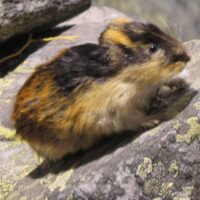
Registration
Levels:-
Donation - Suggested: $5
NHSM believes there should be no barriers to education. If you can’t pay, that’s okay. If you can pay, great. If you can pay more, please do, so this kind of education can continue. -
Education for All: $0
NHSM believes there should be no barriers to education. If you can’t pay, that’s okay. If you can pay, great. If you can pay more, please do, so this kind of education can continue.