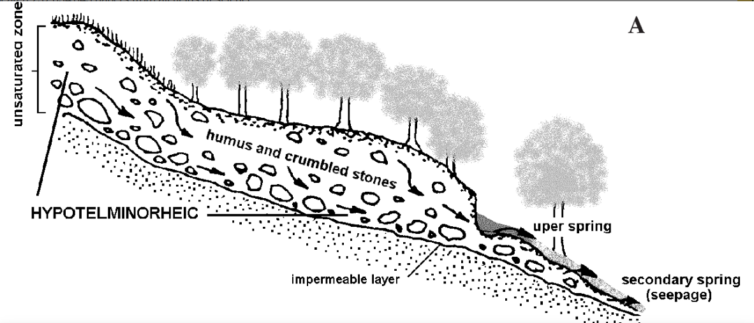
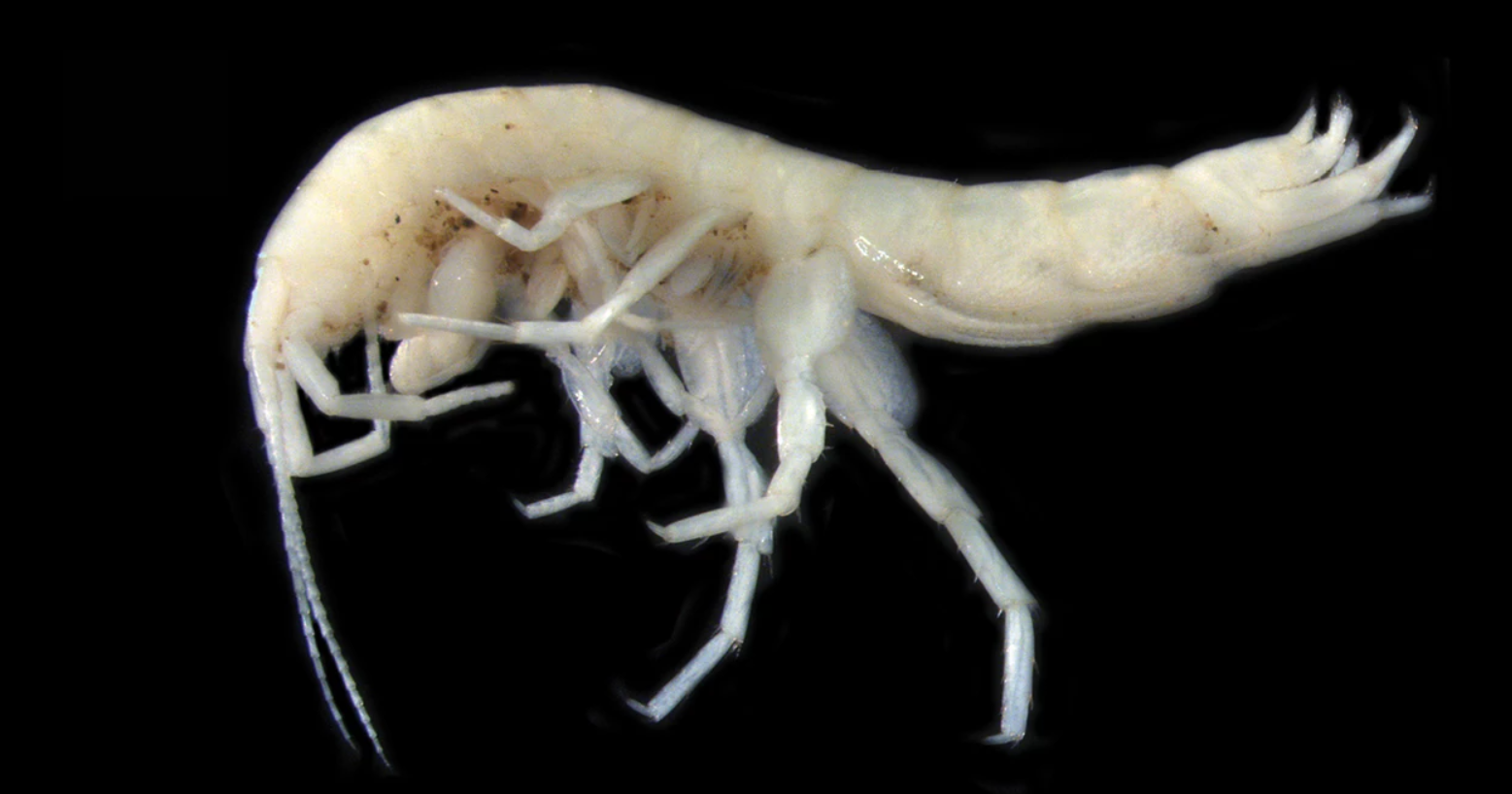
Seepage springs, or, more technically, hypotelminorheic and macropore springs, are common habitats in mid-Atlantic forests. Appearing as little more than wet spots in the woods, they are extremely shallow subterranean (lightless) habitats rarely more than a few feet below the surface. While unremarkable in appearance, they harbor a remarkable fauna, including many eyeless, pigment-less species specialized for this habitat. The important inhabitants include amphipods, isopods, and mollusks. In a more than decade-long study in the greater Washington, D.C. area, these specialists have been found in dozens of seepage springs, including three new species of amphipods and
one new species of isopods, with more to come. This fauna is an important component of urban fauna, more connected to leaf litter than to springs. Conservation imperatives are outlined.
David Culver received his BA in Biology from Grinnell College and PhD from Yale University. He is the author of more than 100 articles and four books on the biology of caves and other subterranean habitats. He is a fellow of the American Association for the Advancement of Science, the Explorers Club, and the National Speleological Society. He was on faculty at Northwestern University and American University prior to his retirement. He is currently Professor Emeritus of Environmental Science at American University.