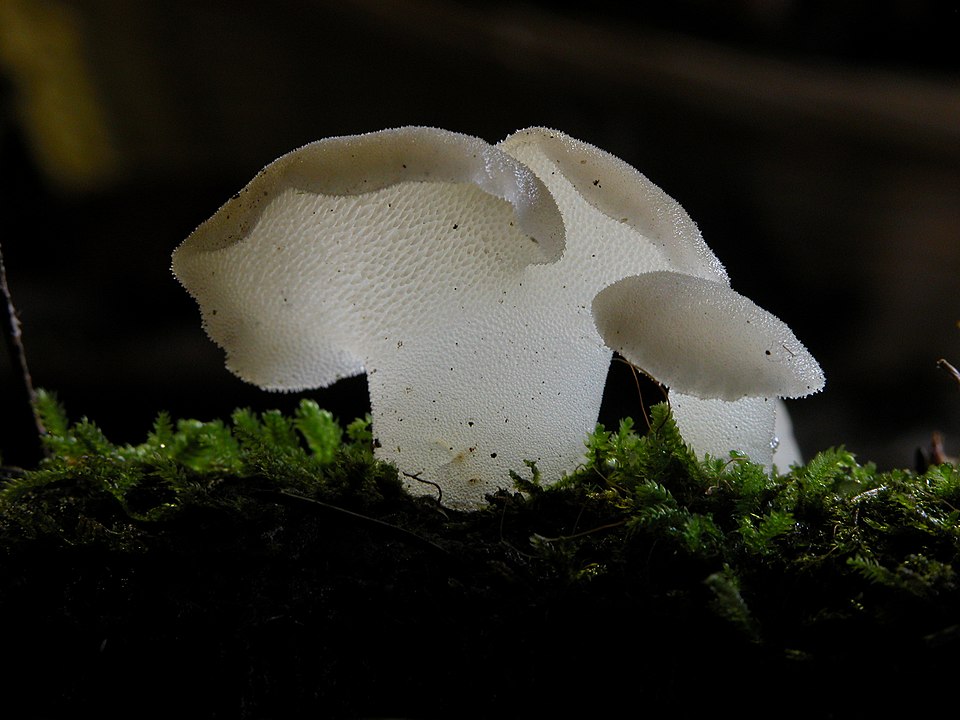
From translucent blobs to coral-like clusters, jelly fungi are among the most visually striking and biologically fascinating organisms found on Maryland’s forest floor. These gelatinous decomposers come in a spectrum of colors—bright orange, inky black, creamy white—and textures that range from rubbery cushions to toothy caps. Often mistaken for slime molds or cup fungi, jelly fungi play a vital role in breaking down dead wood and recycling nutrients in forest ecosystems. Their fruiting bodies emerge under specific moisture and temperature conditions, and their spore dispersal mechanisms are as diverse as their forms.
In this talk, William Needham—Master Naturalist and former president of the Mycological Association of Washington—will guide us through the science and folklore of these squishy wonders. Topics include:
- Taxonomy and classification of jelly fungi
- Spore dispersal and fruiting body development
- Common Maryland species: white, orange, black, and branching forms
- Auricularia auricula-judae: culinary uses and nutritional value
- Witches’ Butter: field uses and cultural superstitions
- Cup fungi and slime molds that mimic jelly textures
Whether you’re a curious hiker, amateur mycologist, forager or nature educator, this presentation will deepen your understanding of these organisms and help you distinguish them from their lookalikes in the field.
William Needham is the former president of the Mycological Association of Washington with extensive field and practical experience with fungi. He is also a Master Naturalist in Maryland. He is active with several hiking and nature groups in the area and writes and co-edits hiking guides for the Potomac Appalachian Trail Club. He co-edited Hikes in the Washington Area, Part A, which includes Montgomery and Frederick Counties. His recently published book, The Compleat Ambler, is based in part on the blog Hiker’s Notebook, which was originally hosted on the Sierra Club Potomac Regional Outings website.
William, like most of the people who lead NHSM field trips, is a volunteer. Your money directly supports the programs, the nature collections, and the building that make this kind of nature education possible. Donate or become a member of the Natural History Society of Maryland by visiting https://marylandnature.org/support-maryland-nature/.


Location
Online via Zoom