We will make three-quarter ribbed baskets using a mix of natural materials and reed. You will learn how to shape a ribbed basket, create patterns with different materials, and learn about the process of harvesting natural materials. Each basket will be unique due to the different sizes of materials, all made from invasive vines and reeds, with many color […]
Trees are invaluable record-keepers of the past. Since their annual growth is intrinsically related to a combination of environmental factors, tree ring data can be used like a Rosetta Stone. Dr. Karen King will demonstrate how her research in biogeography and climate change is informed by tree-ring data. We will focus on regional examples from western Maryland to learn what tree rings can […]
Secure your spot now with EARLY BIRD PRICING through March 20—prices to increase $20 for each registration category on March 21. Have you heard the saying “spark bird”? It’s a popular phrase among birders that describes the one special species that caught their eye, igniting their passion for birds. What is your “spark” species? What […]
Learn this traditional technique to create a sturdy and attractive hand broom in either the turkey wing or pot scrubber style. These brooms are made with natural broomcorn, a type of sorghum grass known for its durability and flexibility, with your choice of thread color. You will leave with a beautiful and unique broom and a deep appreciation for the traditional craft of broom making. The process requires some hand […]
Discover the traditional process of working with pine needles to create a beautiful and functional coaster basket. You will start your basket with a hand-made wood base or walnut slice, then coil and stitch long-leaf pine needles along the base, using waxed linen thread. We will learn shaping, different stitch techniques, and finishing on this smaller project, giving you the skills to move to larger projects. […]
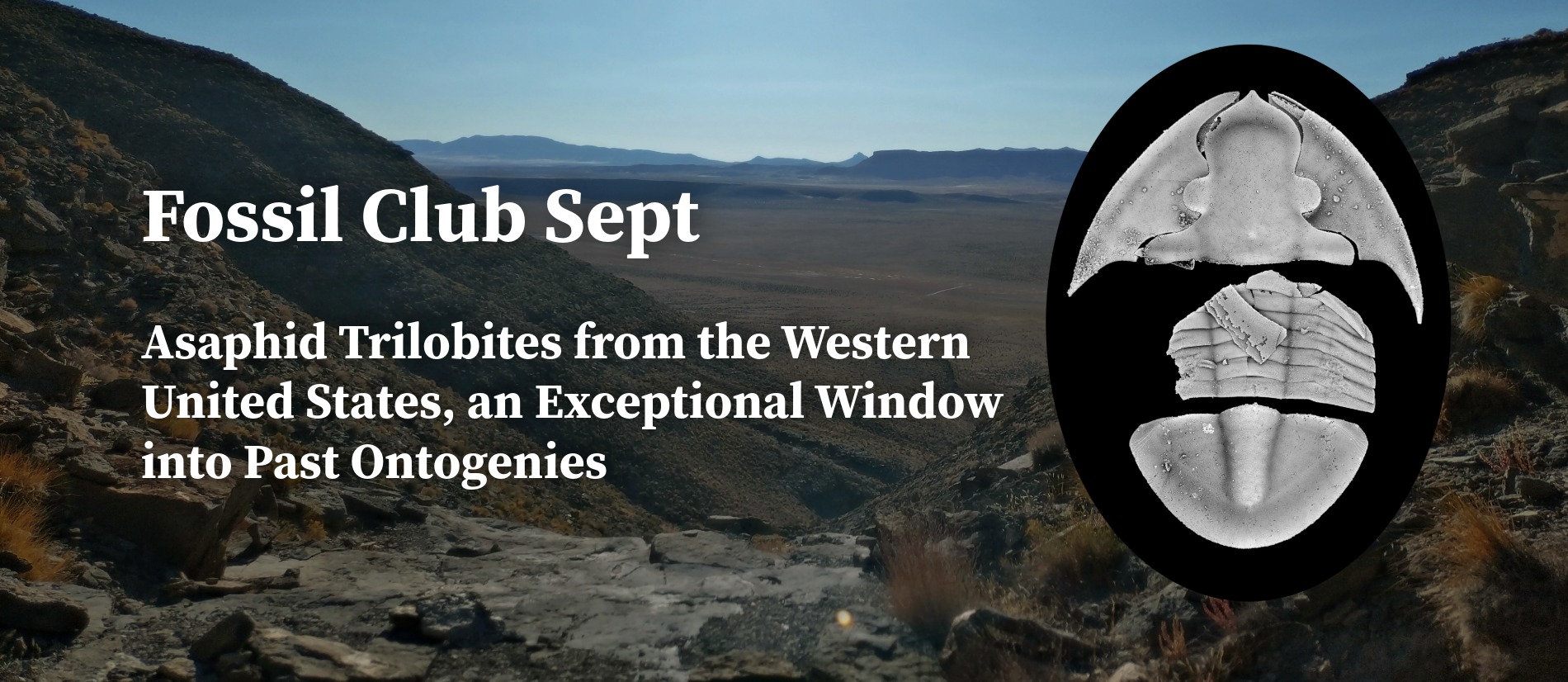
The trilobite family Asaphidae represents a significant part of the taxonomic diversity of the Lower Ordovician in the Great Basin region of the western Laurentia (North American Craton) in the United States. These arthropods are notoriously known for being difficult to study due to their convergent, smooth, and effaced morphology. The trilobites of the Great […]