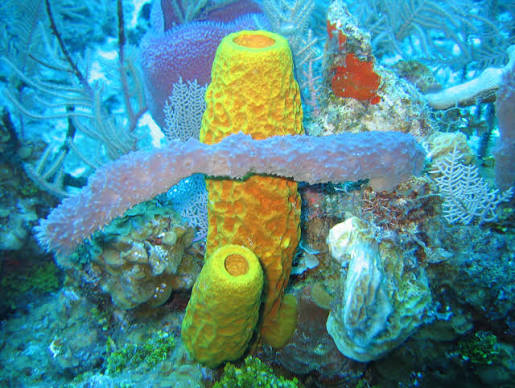
Sponges are some of the ocean’s most beautiful and underappreciated animals. They thrive in many parts of the sea, including tropical coral reefs, often called the “rainforests of the ocean.” Yet these reefs sit in surprisingly nutrient-poor waters, a bit like a bustling city in the middle of a desert. So how do they flourish? […]
Get ready. It’s coming. Museum Store Sunday 2026. MMNS is thrilled to join over 2,200 museums across the globe for Museum Store Sunday, a day dedicated to purposeful shopping and community support. Why Shop MMNS’s Museum Store Sunday? Because every purchase fuels our mission. Revenue from this event helps keep museum admission free and program […]
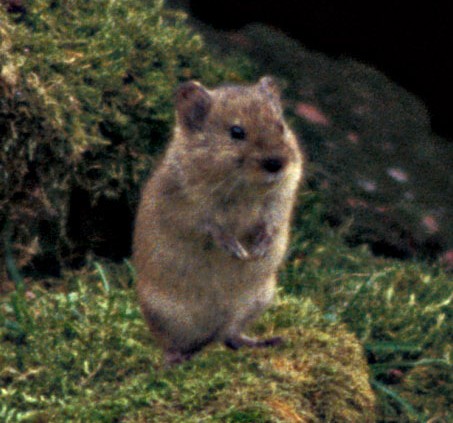
Arctic tundra ecosystems rely heavily on small mammals such as lemmings, voles, and shrew. These species undergo boom‑and‑bust population cycles, which shape vegetation, nutrient flow, and the entire food web. Curator of Mammalogy, Steve Sheffield, will introduce these foundational animals and highlight how their predators, from foxes to raptors, must navigate not only dramatic 3- […]
You are never fully dressed without a fossilized shark tooth necklace you make yourself! Drop into the museum between 10-2 to create a wearable piece of history featuring an authentic Otodus shark tooth from Morocco—an ancient ancestor of the massive megalodon. For centuries, shark teeth have been worn as symbols of protection, strength, and effortless cool. We provide all […]
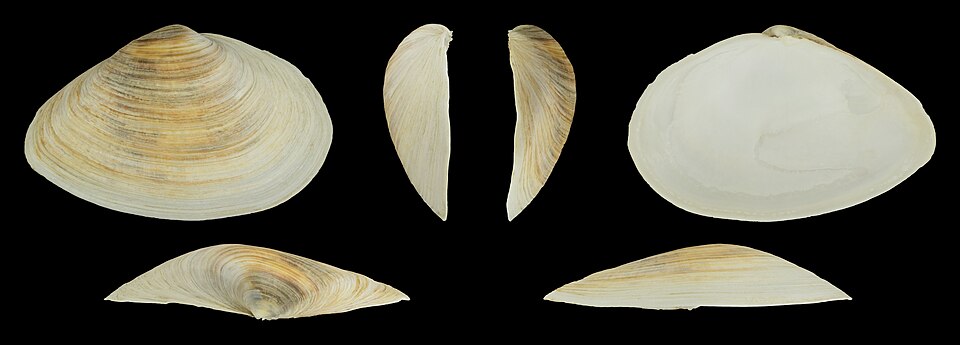
Maryland’s soft‑shell clam (Mya arenaria) has shaped coastal communities for generations, yet its future now depends on new science and smarter stewardship. In this talk, Dr. Liu will share the story of Maryland’s soft‑shell clam from its historic fishery to the new science shaping its future. Learn how this species grows and lives, why it […]
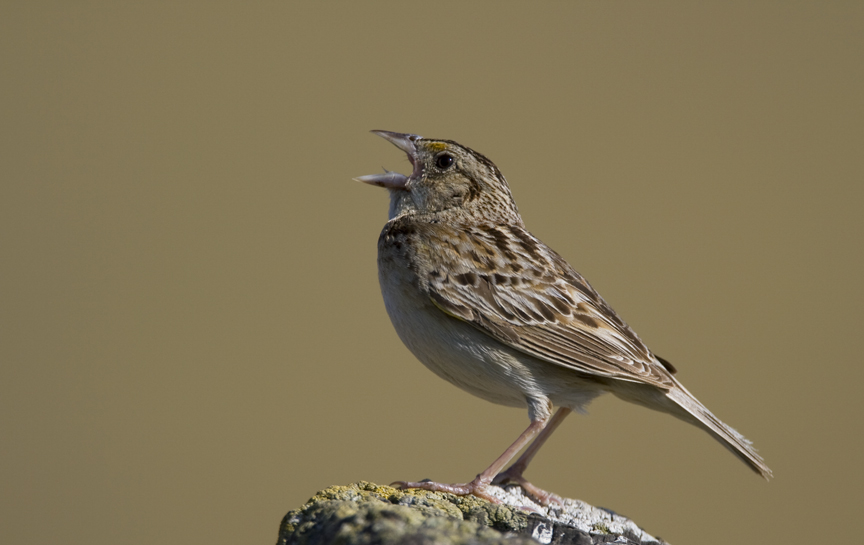
Grasshopper sparrows (Ammodramus savannarum) are small, ground‑dwelling songbirds with an insect‑like buzz that breed in Maryland. As a species of conservation concern, their breeding success is tightly linked to vegetation structure, disturbance regimes, and the acoustic challenges of low, grassy habitats. In this talk, Dr. Bernie Lohr, a bioacoustics and auditory sensory ecology researcher at UMBC, […]
Maryland is home to 17 types of turtles. Of those, 12 species are threatened by habitat loss, and 9 are experiencing population decline. All 4 sea turtle species found in Maryland are protected by the Endangered Species Act. In this presentation, you’ll learn how to tell turtles apart, the dangers they face, native species and […]
In the traditional Japanese gyotaku process, fish are printed on paper immediately after being caught, using black ink, or sumi, then washed in the sea and eaten. The result is a gyotaku, a term derived from the Japanese words for fish (gyo) and print (taku). In this workshop, the process involves printing with colorful inks and thin […]
Species are not distributed equally throughout their ranges. They occupy a mosaic of habitat patches, and the populations within those patches range from well connected to nearly isolated. Genomic surveys, paired with analytical tools drawn from artificial intelligence, let biologists map where populations actually occur, measure how connected and how healthy they are, and forecast […]